
What Are Glucosylated Steviol Glycosides (GSG)?What Are Glucosylated Steviol Glycosides (GSG)?
Understanding the Next Generation of Stevia Sweeteners
Introduction
As consumers continue to seek healthier lifestyles and reduce sugar intake, the demand for natural, low-calorie sweeteners has grown rapidly. Among the latest innovations in stevia-based sweeteners, Glucosylated Steviol Glycosides (GSG) have attracted increasing attention because they are designed to improve the sensory characteristics of conventional steviol glycosides while maintaining their stevia-derived origin.
What Are Glucosylated Steviol Glycosides?
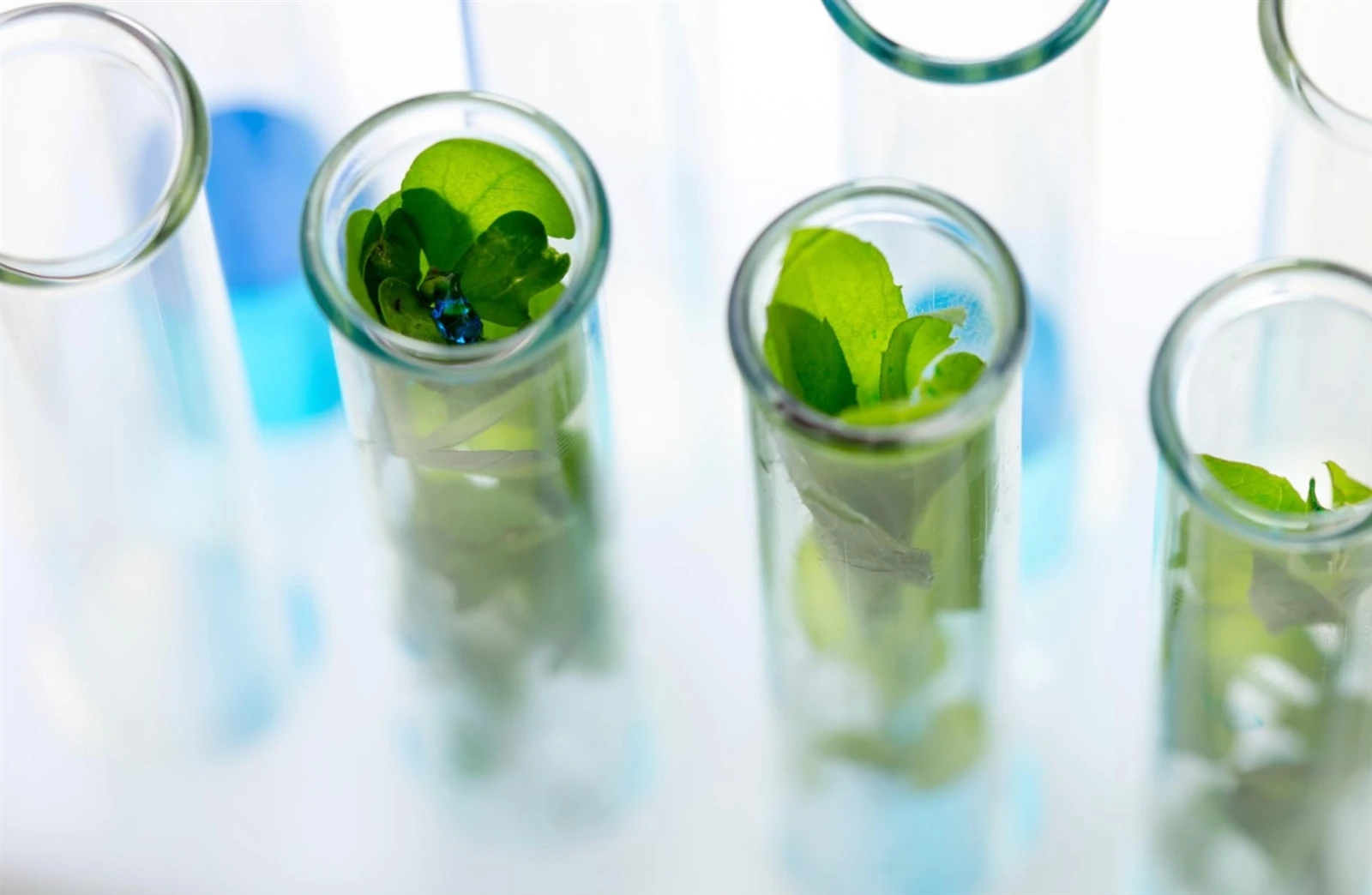
Glucosylated Steviol Glycosides (GSG) are produced through an enzymatic glucosylation process, in which glucose units are attached to naturally occurring steviol glycosides extracted from Stevia rebaudiana. The resulting ingredient contains glucosylated steviol glycosides together with residual parent steviol glycosides, and its composition is defined in international safety evaluations.
Unlike artificial sweeteners synthesized through chemical routes, GSG is produced by modifying naturally occurring steviol glycosides using enzymes. This modification aims to optimize sweetness perception while preserving the stevia-derived nature of the ingredient.
Why Was GSG Developed?
Steviol glycosides have been widely used for sugar reduction because they provide high-intensity sweetness with little or no calories. However, depending on the formulation, some traditional steviol glycosides may exhibit:
Slight bitterness
Lingering aftertaste
A sweetness profile that differs from sucrose
The enzymatic glucosylation of steviol glycosides was developed to improve these sensory characteristics and expand formulation possibilities in food and beverage applications.
Key Advantages of GSG
Compared with conventional steviol glycosides, GSG may offer several formulation advantages:
A smoother sweetness profile
Reduced bitterness in many applications
Less lingering aftertaste
Greater flexibility for sugar-reduction formulations (Industry formulation practice)
Better compatibility with multi-sweetener systems (Industry formulation practice)
TangBaBao Insight
In practical product development, formulators often combine GSG with bulk sweeteners or other high-intensity sweeteners to optimize sweetness, mouthfeel, and cost. The most suitable formulation should always be determined through application testing.
Typical Applications
Thanks to its improved sensory profile, GSG is suitable for a wide variety of applications, including:
Beverages
Tabletop sweeteners
Dairy products
Functional foods
Confectionery
Nutritional products
The specific formulation should be optimized according to product category, sweetness target, and processing conditions.
Supporting the Next Generation of Sugar Reduction
Sugar reduction today is no longer simply about replacing sucrose. Consumers increasingly expect products that combine:
Great taste
Natural ingredients
Reduced calories
Clean-label positioning
These market trends continue to drive innovation in steviol glycosides and related sweetening technologies.
About TangBaBao
TangBaBao continues to invest in the research, production, and application of advanced steviol glycosides, including Glucosylated Steviol Glycosides.
By combining manufacturing expertise with continuous technological innovation, we are committed to providing reliable natural sweetening solutions for customers worldwide.
Conclusion
Glucosylated Steviol Glycosides represent an important advancement in stevia technology. By improving the sweetness profile while maintaining the benefits of stevia-derived ingredients, GSG provides manufacturers with greater flexibility when developing modern reduced-sugar and sugar-free products.
In the next article of the GSG Knowledge Center, we will explore how Glucosylated Steviol Glycosides are produced and why enzyme technology plays an important role in their development.


References
1,European Food Safety Authority. Safety evaluation of glucosylated steviol glycosides as a food additive in different food categories. EFSA Journal, 2022, 20(2):7066. DOI: 10.2903/j.efsa.2022.7066
2,European Food Safety Authority. Safety in use of glucosylated steviol glycosides as a food additive in different food categories. EFSA Journal, 2018, 16(2):5181. DOI: 10.2903/j.efsa.2018.5181
3,Joint FAO/WHO Expert Committee on Food Additives. Compendium of Food Additive Specifications – Glucosylated Steviol Glycosides.
4,European Food Safety Authority. Supporting scientific assessment discussing sensory improvements associated with glucosylation of steviol glycosides.
5,Codex Alimentarius Commission. General Standard for Food Additives (GSFA).