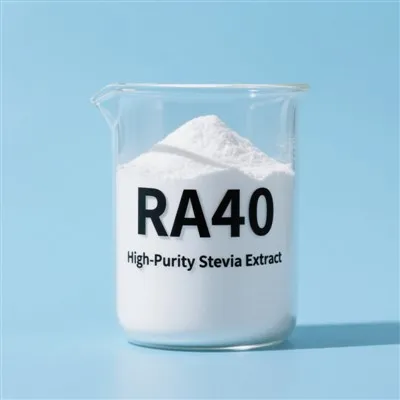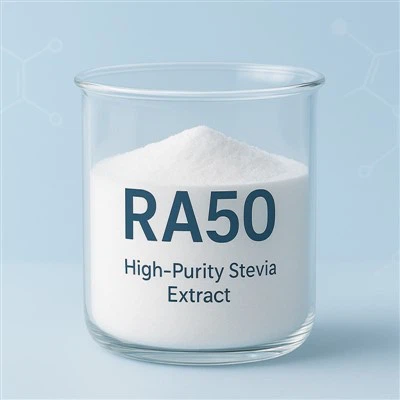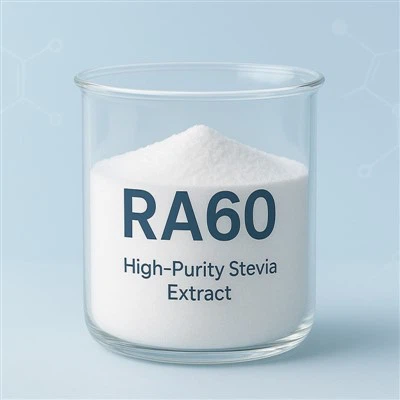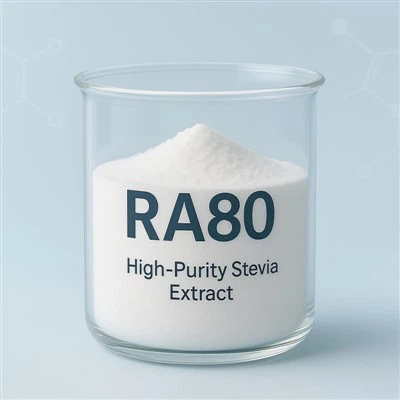
When selecting steviol glycosides for commercial applications, many buyers focus primarily on the total steviol glycoside content (≥95%).
However, the internal glycoside profile - especially the Reb A ratio - plays a critical role in determining the final taste performance.
1. Understanding SG95 Structure
SG95 refers to steviol glycosides with total content ≥95%.
Within this 95%, different glycosides may be present in varying proportions:
- Reb A
- Reb C
- Stevioside
- Other minor glycosides
Although total purity is the same, the sensory performance can differ significantly depending on the Reb A percentage.
2. Low Reb A vs Higher Reb A
Lower Reb A (e.g., 50–60%)
Strong sweetness intensity
Noticeable bitterness
Longer lingering aftertaste
More suitable for cost-driven formulations
Medium Reb A (75–80%)
Cleaner sweetness
Reduced bitterness
More balanced taste curve
Suitable for tabletop and beverage applications
Better commercial balance between cost and taste
Very High Reb A (≥97%)
Very clean sweetness
Minimal bitterness
Higher cost
Often used in premium formulations

3. Why 75–80% Reb A Is Commercially Attractive
From a formulation and cost-performance perspective, the 75–80% Reb A range offers:
Improved taste compared to lower ratios
Significant bitterness reduction
Better blending compatibility
Controlled cost for scalable production
This is why SG95 with Reb A 75–80% is widely used in beverage, reduced-sugar and consumer sweetener applications.
4. Selecting the Right Profile
Choosing the appropriate glycoside profile should depend on:
Target market positioning
Application system
Price sensitivity
Required sweetness curve
Technical evaluation and small-scale testing are recommended before final specification confirmation.