


Stevioside STV40 is a popular natural sweetener derived from the Stevia rebaudiana plant. As a supplier of Stevioside STV40, I often receive inquiries about its side - effects. In this blog, I will explore the potential side - effects of Stevioside STV40 based on scientific research and industry knowledge.
1. General Introduction to Stevioside STV40
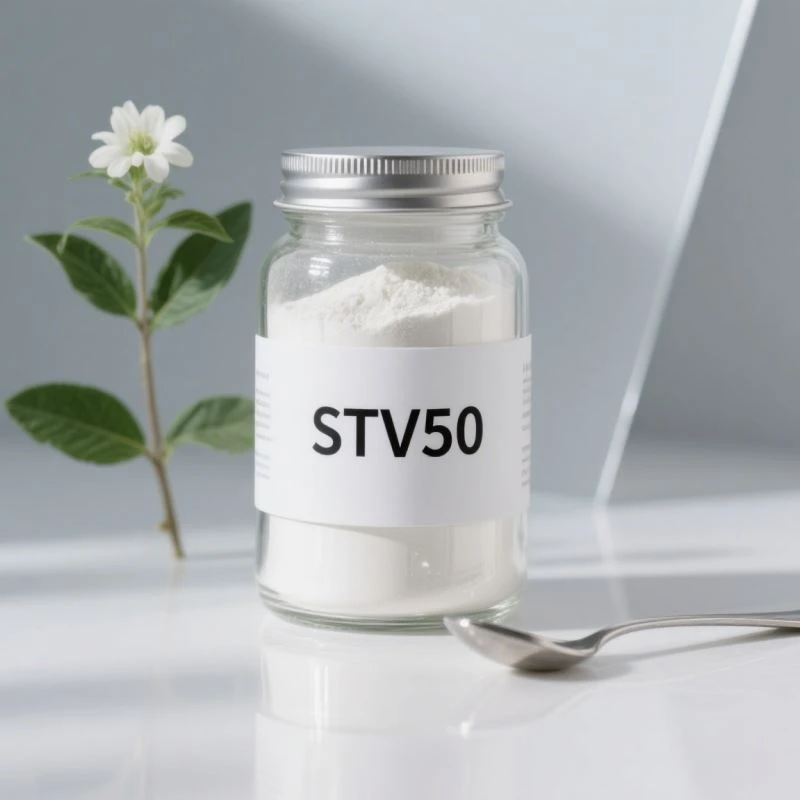
Stevioside STV40 is a specific grade of stevioside, which contains 40% stevioside glycosides. It is a natural alternative to traditional sugar, offering a sweet taste with zero calories. This makes it an attractive option for people looking to reduce their sugar intake, manage their weight, or control blood sugar levels. Compared to other stevioside products like Stevioside(STV)70, Stevioside STV80, and Stevioside STV50, Stevioside STV40 has a relatively lower concentration of stevioside glycosides, which may affect its taste and potential side - effects.
2. Potential Side - Effects
2.1 Digestive Issues
Some individuals may experience digestive problems when consuming Stevioside STV40. The reason behind this is that stevioside can interact with the gut microbiota. In some cases, it may cause mild gastrointestinal discomfort such as bloating, gas, or diarrhea. This is more likely to occur in people with sensitive digestive systems or those who consume large amounts of Stevioside STV40 at once.
A study published in the Journal of Medicinal Food found that a small percentage of participants reported digestive issues after consuming stevia - based sweeteners. However, these side - effects were generally mild and transient. It is important to note that the incidence of digestive problems may vary depending on the individual's tolerance and the amount of Stevioside STV40 consumed.
2.2 Allergic Reactions
Although rare, allergic reactions to Stevioside STV40 can occur. People who are allergic to plants in the Asteraceae family, such as ragweed, marigolds, and chrysanthemums, may be more likely to have an allergic reaction to stevia. Symptoms of an allergic reaction can include itching, swelling, hives, and difficulty breathing.
If someone experiences any of these symptoms after consuming Stevioside STV40, they should stop using it immediately and seek medical attention. It is advisable for individuals with known allergies to consult a healthcare professional before using Stevioside STV40.
2.3 Impact on Blood Pressure and Heart Rate
There has been some research on the potential effects of stevioside on blood pressure and heart rate. Some animal studies have suggested that stevioside may have a hypotensive effect, meaning it could lower blood pressure. However, human studies have shown mixed results.
In some cases, people with low blood pressure may need to be cautious when consuming Stevioside STV40, as it could potentially further lower their blood pressure. On the other hand, for individuals with high blood pressure, stevioside may have a beneficial effect. But more research is needed to fully understand the relationship between Stevioside STV40 and blood pressure regulation.
Regarding heart rate, there is limited evidence to suggest that stevioside has a significant impact. However, as with any new dietary supplement, individuals with heart conditions should consult their doctor before using Stevioside STV40.
2.4 Hormonal Effects
Some studies have investigated the possible hormonal effects of stevioside. There is a concern that stevioside may affect the endocrine system, particularly the thyroid gland. However, most human studies have not found significant adverse hormonal effects at normal consumption levels.

In animal studies, high doses of stevioside have been shown to have some effects on thyroid function. But it is important to note that the doses used in these studies were much higher than what a person would typically consume. At the recommended dosage of Stevioside STV40, the risk of hormonal disruption is considered to be low.
3. Safety Assessment
The safety of Stevioside STV40 has been evaluated by various regulatory agencies around the world. In many countries, stevioside is considered a safe food additive. For example, the Food and Drug Administration (FDA) in the United States has granted stevioside Generally Recognized as Safe (GRAS) status.
To ensure the safety of our customers, we source Stevioside STV40 from reliable suppliers and conduct strict quality control measures. Our product meets all the relevant safety standards and regulations.
4. Minimizing Side - Effects
To minimize the potential side - effects of Stevioside STV40, it is recommended to start with a small amount and gradually increase the dosage if needed. This allows the body to adjust to the sweetener. Additionally, individuals with pre - existing health conditions, such as digestive disorders, allergies, or heart problems, should consult their healthcare provider before using Stevioside STV40.
It is also important to follow the recommended dosage guidelines. Overconsumption of any sweetener, including Stevioside STV40, can increase the risk of side - effects.
5. Conclusion and Call to Action
In conclusion, while Stevioside STV40 is generally considered a safe and natural sweetener, there are some potential side - effects that consumers should be aware of. These side - effects are usually mild and can be minimized by following the appropriate precautions.
As a supplier of high - quality Stevioside STV40, we are committed to providing our customers with a safe and reliable product. If you are interested in purchasing Stevioside STV40 for your food or beverage products, we invite you to contact us for more information and to discuss your specific needs. Whether you are a food manufacturer, a beverage company, or a retailer, we can offer you the best solutions and support.
References
- Journal of Medicinal Food - Research on digestive issues related to stevia - based sweeteners.
- Various studies on the safety assessment of stevioside by regulatory agencies.
- Animal and human studies on the effects of stevioside on blood pressure, heart rate, and hormonal function.


