


Stevioside STV60 is a natural sweetener derived from the Stevia rebaudiana plant, which has gained significant attention in the food and beverage industry as a sugar alternative. As a supplier of Stevioside STV60, I am often asked how it compares to sugar in terms of sweetness and calories. In this blog post, I will delve into the scientific aspects of these comparisons to provide a comprehensive understanding.
Sweetness Comparison
One of the most remarkable features of Stevioside STV60 is its high sweetness intensity compared to sugar. Sugar, or sucrose, is the standard against which the sweetness of other substances is measured. Stevioside STV60 is approximately 200 - 300 times sweeter than sucrose. This means that a much smaller amount of Stevioside STV60 is needed to achieve the same level of sweetness as sugar.
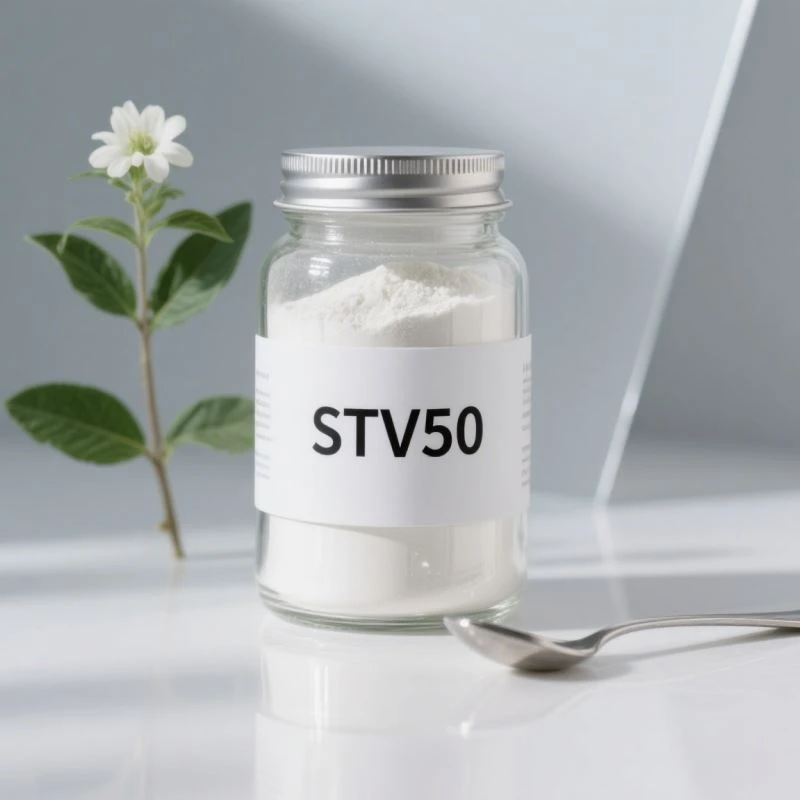

The reason for this high sweetness lies in the chemical structure of steviol glycosides, the active components in Stevioside STV60. These glycosides interact with the sweet taste receptors on the tongue in a more potent way than sucrose. When we consume sugar, the glucose and fructose molecules bind to the sweet taste receptors, triggering a signal to the brain that we perceive as sweetness. Steviol glycosides, on the other hand, have a unique structure that allows them to bind more strongly to these receptors, resulting in a more intense sweet sensation.
This high sweetness factor offers several advantages in food and beverage applications. For manufacturers, it means they can use less of the sweetener, which can lead to cost savings. Additionally, it allows for the creation of low - calorie or sugar - free products without sacrificing the sweet taste that consumers love. For example, in a soft drink, a small amount of Stevioside STV60 can replace a large quantity of sugar, reducing the overall sugar content while maintaining the desired sweetness.
In comparison to other stevioside products, such as Stevioside STV80, Stevioside(STV)70, and Stevioside STV50, the sweetness level can vary. Stevioside STV80 generally has a higher purity of steviol glycosides and may be even sweeter than STV60, while STV50 may have a relatively lower sweetness intensity. However, the choice between these products depends on the specific requirements of the application and the desired taste profile.
Calorie Comparison
Another crucial aspect of the comparison between Stevioside STV60 and sugar is the calorie content. Sugar is a carbohydrate that provides 4 calories per gram. When consumed in large amounts, it can contribute significantly to weight gain and other health issues such as diabetes and heart disease.
In contrast, Stevioside STV60 is virtually calorie - free. The human body does not metabolize steviol glycosides in the same way as it does sugar. These glycosides pass through the digestive system without being broken down and absorbed for energy. As a result, they do not contribute any calories to the diet.
This calorie - free nature makes Stevioside STV60 an ideal choice for individuals who are looking to reduce their calorie intake, manage their weight, or control their blood sugar levels. For example, people with diabetes can use Stevioside STV60 as a sweetener without worrying about the spikes in blood glucose levels that are associated with sugar consumption.
In the food and beverage industry, the use of Stevioside STV60 can help in creating healthier product options. Many consumers are becoming more health - conscious and are actively seeking products with lower calorie and sugar content. By using Stevioside STV60, manufacturers can meet these consumer demands and offer products that are not only sweet but also better for their customers' health.
Taste Profile and Other Considerations
While Stevioside STV60 offers significant advantages in terms of sweetness and calories, it is important to note that it may have a slightly different taste profile compared to sugar. Some people may detect a slight aftertaste, which can be described as licorice - like or bitter in some cases. However, modern processing techniques have significantly reduced this issue, and many consumers find the taste of products sweetened with Stevioside STV60 to be quite acceptable.
In addition, the solubility and stability of Stevioside STV60 are important factors in food and beverage applications. It has good solubility in water, which makes it easy to incorporate into various products. It also has good stability under different processing conditions, such as high temperatures and different pH levels, which allows it to be used in a wide range of food and beverage products, including baked goods, beverages, and dairy products.
Conclusion
In conclusion, Stevioside STV60 is a highly attractive alternative to sugar. It offers a much higher level of sweetness with virtually no calories, making it a great option for both consumers and the food and beverage industry. While it may have a slightly different taste profile, the benefits in terms of health and cost - effectiveness are significant.
If you are interested in exploring the potential of Stevioside STV60 for your products, I encourage you to reach out for a procurement discussion. Our team of experts can provide you with more detailed information, samples, and guidance on how to incorporate Stevioside STV60 into your production processes.
References
- Kinghorn, A. D., & Soejarto, D. D. (1985). Stevia rebaudiana: Chemical and Biological Aspects. In Economic and Medicinal Plant Research (Vol. 1, pp. 119 - 145). Academic Press.
- Geuns, J. - M. C. (2003). Stevia rebaudiana Bertoni, source of a high - potency natural sweetener: A comprehensive review. Phytochemistry Reviews, 2(4), 339 - 377.
- Melis, M. A., & Aranda, E. G. (2007). Stevia rebaudiana (Bertoni) Bertoni: A natural sweetener and its potential health benefits. Fitoterapia, 78(7), 474 - 477.


