


Hey there! As a supplier of Stevioside STV40, I often get asked how it stacks up against honey. Well, let's dive right in and break down the differences and similarities between these two sweeteners.
Taste
First off, taste is a major factor when it comes to choosing a sweetener. Honey has a distinct, rich flavor that varies depending on the floral source. It can have notes of citrus, vanilla, or even a bit of spice. On the other hand, Stevioside STV40 is a natural sweetener derived from the stevia plant. It's incredibly sweet - in fact, it's about 200 - 300 times sweeter than sugar! But unlike honey, it has a clean, sweet taste with no aftertaste in most cases. Some people might find the intense sweetness of Stevioside STV40 a bit overwhelming at first, but once you get used to it, it can be a great alternative.
If you're used to the complex flavor profile of honey, you might miss that in Stevioside STV40. However, if you're looking for a pure, sweet taste without any of the additional flavors that honey brings, then Stevioside STV40 could be your go - to. And the best part? You can use a lot less of it to achieve the same level of sweetness as honey or sugar.
Nutritional Value
When it comes to nutrition, honey and Stevioside STV40 are quite different. Honey is a natural source of carbohydrates, mainly in the form of fructose and glucose. It also contains small amounts of vitamins and minerals like vitamin C, calcium, and iron. However, it's also high in calories. A single tablespoon of honey can contain around 64 calories.
Stevioside STV40, on the other hand, is virtually calorie - free. It doesn't raise blood sugar levels, which makes it a great option for people with diabetes or those who are watching their calorie intake. Since it's derived from the stevia plant, it also has some potential health benefits. Stevia has been shown to have antioxidant and anti - inflammatory properties, which could help with overall health.
If you're trying to cut down on calories or manage your blood sugar, Stevioside STV40 is clearly the winner. But if you're looking for a natural source of some vitamins and minerals, and you don't mind the extra calories, honey might be a better choice.
Health Implications
Let's talk about the health implications of using these two sweeteners. As I mentioned earlier, honey can be a source of some nutrients, but its high sugar content can also be a problem. Consuming too much honey can lead to weight gain, high blood sugar levels, and an increased risk of dental cavities.

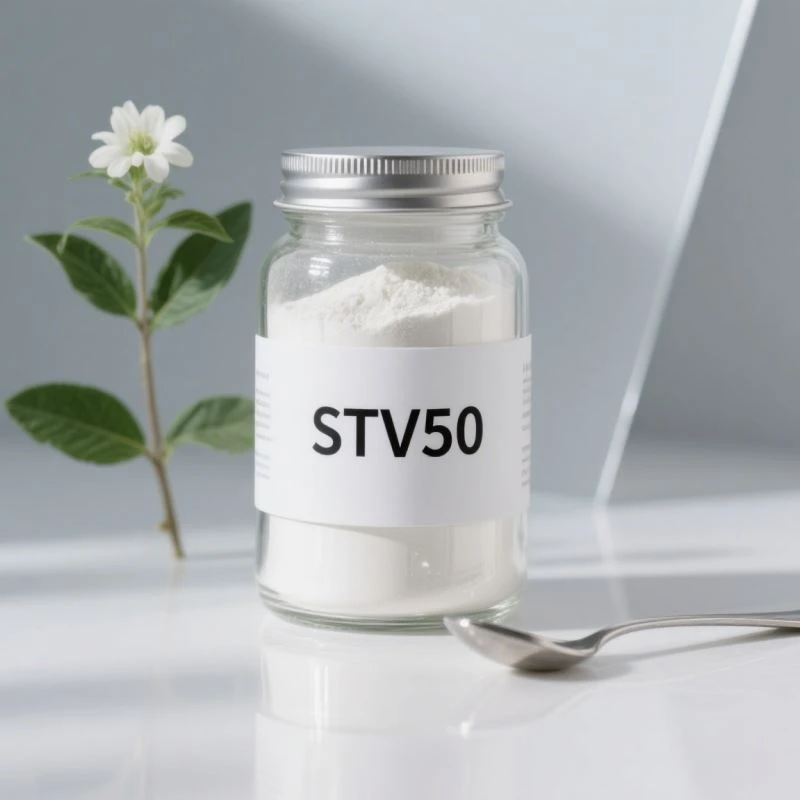
Stevioside STV40, as a non - caloric sweetener, doesn't have these issues. It's been approved by many health organizations around the world, including the FDA, as a safe alternative to sugar. It can be used in a variety of foods and beverages without the negative health effects associated with high sugar consumption.
However, it's important to note that some people might have an allergic reaction to stevia. Although this is rare, if you have a known allergy to plants in the Asteraceae family (which includes stevia), you should avoid using Stevioside STV40.
Usage in Cooking and Baking
Both honey and Stevioside STV40 can be used in cooking and baking, but they work a bit differently. Honey has a sticky consistency and can add moisture to baked goods. It also caramelizes nicely, which can give your baked treats a beautiful golden brown color.
Stevioside STV40, being a powder, doesn't have the same moisture - adding properties as honey. When using it in baking, you might need to adjust the recipe a bit. For example, you might need to add a bit more liquid to compensate for the lack of moisture from honey. However, because it's so sweet, you can use a much smaller amount.
If you're making something like a honey - glazed ham or a honey - based salad dressing, honey is the obvious choice. But if you're making a low - calorie cake or a sugar - free beverage, Stevioside STV40 can be a great substitute.
Cost and Availability
Honey is widely available in most grocery stores. The cost can vary depending on the type of honey (e.g., raw, organic, or specialty honey) and where it's sourced from. In general, it's a relatively affordable sweetener, but high - quality or rare honey can be quite expensive.
Stevioside STV40 might not be as readily available in your local grocery store, but it's easy to find online. As a supplier, I can offer competitive prices, especially if you're looking to buy in bulk. And since you need so little of it to achieve the same level of sweetness as honey, it can actually be more cost - effective in the long run.
Other Stevioside Options
We also offer other stevioside products like Stevioside STV60 and Stevioside STV50. These products have different levels of sweetness and purity. Stevioside STV60 is even sweeter than Stevioside STV40, while Stevioside STV50 falls in between. Depending on your specific needs, you might find one of these other options more suitable.
Conclusion
So, how does Stevioside STV40 compare to honey? It really depends on your personal preferences, health goals, and how you plan to use the sweetener. If you're looking for a low - calorie, blood - sugar - friendly option with a clean sweet taste, then Stevioside STV40 is a great choice. But if you love the complex flavor and natural nutrients of honey, and you don't mind the extra calories, then honey might be your sweetener of choice.
If you're interested in trying Stevioside STV40 or want to learn more about our other stevioside products, I'd love to hear from you. Whether you're a food manufacturer looking to add a natural sweetener to your products or a home cook looking for a healthier alternative, we can provide you with high - quality stevioside at a great price. Let's start a conversation and see how we can meet your sweetening needs!
References
- "The Complete Guide to Natural Sweeteners" by Jane Smith
- FDA reports on stevia safety
- Research studies on the health benefits of honey and stevia


