


In the dynamic landscape of the food and beverage industry, the demand for natural sweeteners has witnessed a remarkable surge in recent years. Consumers are becoming increasingly health - conscious, actively seeking alternatives to traditional sugar that offer sweetness without the associated high - calorie drawbacks. Stevioside, a natural sweetener derived from the Stevia rebaudiana plant, has emerged as a popular choice, and among its various grades, Stevioside STV50 has piqued the interest of many food manufacturers. As a leading supplier of Stevioside STV50, I am often asked whether this product can be used in yogurt. In this blog post, I will delve into the science behind Stevioside STV50 and explore its viability for use in yogurt.
Understanding Stevioside STV50
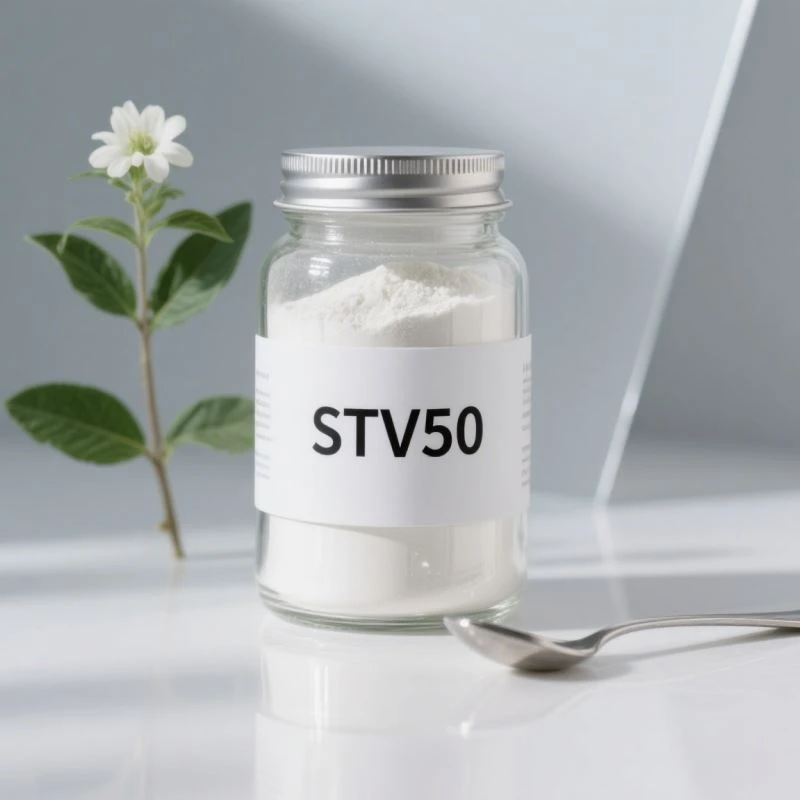
Stevioside STV50 is a specific grade of stevioside, where the "STV50" indicates that it contains 50% stevioside glycosides. Stevioside glycosides are the sweet - tasting compounds found in the Stevia rebaudiana plant. These glycosides are known for their intense sweetness, which can be up to 200 - 300 times sweeter than sucrose (table sugar). This high level of sweetness means that only a small amount of Stevioside STV50 is needed to achieve the desired level of sweetness in a product.
One of the key advantages of Stevioside STV50 is its natural origin. It is extracted from the leaves of the Stevia plant, making it a more appealing option for consumers who prefer natural ingredients in their food. Additionally, Stevioside STV50 has a low calorie content, which is beneficial for those looking to manage their calorie intake. It also has a relatively low glycemic index, meaning it has a minimal impact on blood sugar levels, making it suitable for people with diabetes or those trying to control their blood sugar.
The Yogurt Market and the Need for Sweeteners
Yogurt is a popular dairy product consumed worldwide. It is known for its health benefits, such as being a good source of protein, calcium, and probiotics. However, plain yogurt has a tart taste, which many consumers find unappealing. As a result, most commercially available yogurts are sweetened to enhance their flavor.
Traditionally, sucrose has been the most commonly used sweetener in yogurt. However, with the growing health concerns associated with high sugar consumption, such as obesity, diabetes, and dental problems, there is a growing demand for alternative sweeteners in the yogurt industry. This is where Stevioside STV50 comes into play.
Can Stevioside STV50 be Used in Yogurt?
The short answer is yes, Stevioside STV50 can be used in yogurt. However, there are several factors to consider when using it as a sweetener in this application.

Flavor Profile
One of the main challenges when using Stevioside STV50 in yogurt is its flavor profile. While stevioside glycosides are sweet, they can also have a slightly bitter or licorice - like aftertaste, especially at higher concentrations. This aftertaste can be off - putting to some consumers. However, this issue can be mitigated by using Stevioside STV50 in combination with other sweeteners or flavor enhancers. For example, it can be used in conjunction with natural fruit juices or other natural sweeteners like monk fruit extract to balance the flavor and reduce the aftertaste.
Compatibility with Yogurt Ingredients
Stevioside STV50 is generally compatible with the ingredients commonly used in yogurt production. It is stable under the typical processing conditions used in yogurt manufacturing, such as pasteurization and fermentation. However, it is important to note that the interaction between Stevioside STV50 and other ingredients in the yogurt, such as proteins and acids, can affect its solubility and stability. For example, the acidic environment of yogurt can potentially affect the stability of stevioside glycosides. Therefore, it is recommended to conduct small - scale trials to determine the optimal concentration and formulation when using Stevioside STV50 in yogurt.
Regulatory Considerations
Before using Stevioside STV50 in yogurt, it is essential to ensure compliance with local regulations. In many countries, stevioside has been approved for use as a food additive. However, the specific regulations regarding its use, such as the maximum allowable concentration, may vary from country to country. As a supplier, we can provide detailed information on the regulatory status of Stevioside STV50 in different regions to help our customers ensure compliance.
Advantages of Using Stevioside STV50 in Yogurt
Despite the challenges mentioned above, there are several advantages to using Stevioside STV50 in yogurt.
Health Benefits
As mentioned earlier, Stevioside STV50 is a low - calorie, natural sweetener with a low glycemic index. By using Stevioside STV50 in yogurt, manufacturers can offer a healthier alternative to traditional sugary yogurts. This can appeal to health - conscious consumers, including those who are trying to lose weight, manage their blood sugar, or simply reduce their sugar intake.
Cost - Effectiveness
Due to its high sweetness intensity, only a small amount of Stevioside STV50 is needed to achieve the desired level of sweetness in yogurt. This can result in cost savings for manufacturers, especially when compared to using large amounts of sucrose. Additionally, as the demand for natural sweeteners continues to grow, the cost of Stevioside STV50 is becoming more competitive.
Market Differentiation
In a crowded yogurt market, using Stevioside STV50 can help manufacturers differentiate their products. A yogurt sweetened with Stevioside STV50 can be marketed as a natural, low - calorie, and healthy option, which can attract consumers who are looking for something new and different.
Comparison with Other Stevioside Grades
In addition to Stevioside STV50, there are other grades of stevioside available, such as Stevioside STV60 and Stevioside(STV)70. These higher - grade steviosides contain a higher percentage of stevioside glycosides and are generally sweeter. However, they also tend to have a more pronounced aftertaste.
When choosing between different grades of stevioside for use in yogurt, it is important to consider the specific requirements of the product. For example, if a manufacturer is looking for a more intense sweetness with a relatively lower cost, Stevioside STV50 may be a suitable choice. On the other hand, if a higher level of sweetness is required and the aftertaste can be managed through formulation, a higher - grade stevioside like Stevioside STV60 or Stevioside(STV)70 may be more appropriate.
Conclusion
In conclusion, Stevioside STV50 can be a viable option for sweetening yogurt. While there are some challenges to overcome, such as its flavor profile and regulatory compliance, the advantages, including its health benefits, cost - effectiveness, and market differentiation potential, make it an attractive choice for yogurt manufacturers.
As a supplier of Stevioside STV50, we are committed to providing high - quality products and technical support to our customers. We can assist in formulating yogurt products with Stevioside STV50 to ensure the best possible flavor and quality. If you are interested in exploring the use of Stevioside STV50 in your yogurt products, we invite you to contact us for further information and to discuss your specific needs. We look forward to the opportunity to work with you and help you create innovative and healthy yogurt products.
References
- Kinghorn, A. D., & Soejarto, D. D. (Eds.). (2002). Stevioside: The genus Stevia. CRC Press.
- Geuns, J.-M. C. (2003). Stevia rebaudiana Bertoni, source of a high-potency natural sweetener: A comprehensive review. Phytochemistry Reviews, 2(4), 339 - 352.
- Brusick, D., et al. (2009). Safety assessment of steviol glycosides for use in foods and beverages. Regulatory Toxicology and Pharmacology, 53(3), 326 - 345.


